Facing the Personalization Challenge in E-Commerce
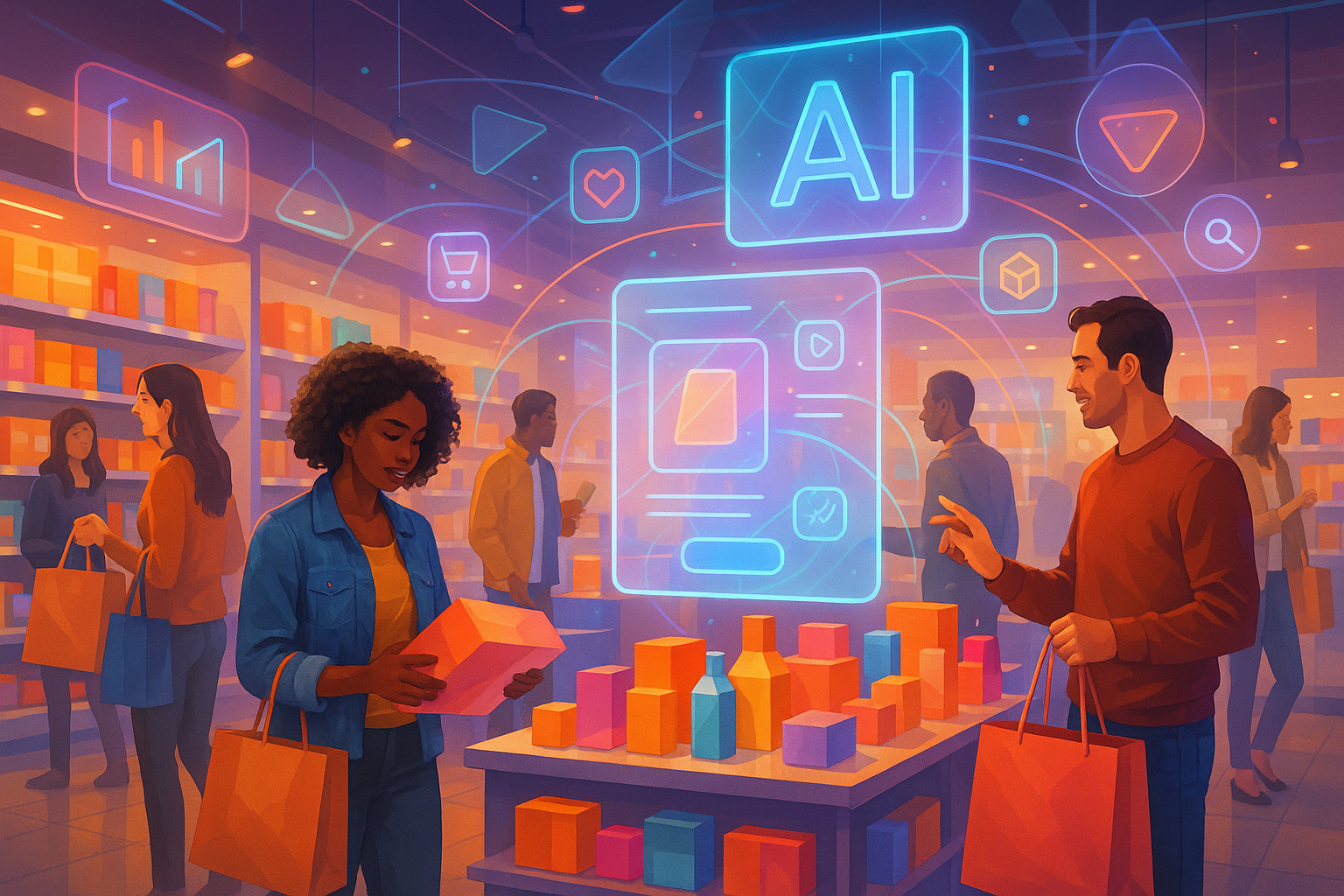
As an e-commerce brand, you’re constantly striving to create a shopping experience that resonates with each customer. The challenge? Delivering personalized experiences at scale without overwhelming your team or resources. Enter AI-driven UX/UI personalization—a game-changer that tailors user experiences based on real-time data and behavior.
Understanding AI-Driven Personalization
AI personalization involves using machine learning algorithms to analyze customer data and predict preferences, enabling you to customize the shopping journey for each user. This approach not only enhances user engagement but also drives conversions and fosters brand loyalty.
Practical Strategies for Implementing AI in UX/UI
1. Personalized Product Recommendations
Utilize AI to analyze browsing history, purchase patterns, and demographic data to suggest products that align with individual customer preferences. For instance, Amazon’s recommendation engine, which accounts for approximately 35% of its total revenue, analyzes over 150 factors to deliver hyper-personalized suggestions.
2. Dynamic Content and Layout Adjustments
AI can adapt your website’s content and layout in real-time based on user behavior. This includes highlighting relevant products, adjusting navigation menus, and even changing the site’s color scheme to match user preferences, creating a more engaging and intuitive experience.
3. Predictive Analytics for Customer Behavior
Implement predictive analytics to anticipate customer needs and behaviors. By analyzing historical data, AI can forecast which products a customer is likely to purchase next, allowing you to proactively present these items, thereby increasing the chances of conversion.
4. AI-Powered Visual Search
Integrate visual search capabilities that enable customers to upload images and find similar products in your inventory. This feature enhances the shopping experience by bridging the gap between inspiration and action, making it easier for customers to find exactly what they’re looking for.
5. Personalized Email Marketing
Leverage AI to segment your customer base and send personalized email campaigns featuring product recommendations, exclusive offers, and content tailored to individual interests. This approach increases open rates and fosters a stronger connection with your audience.
Real-World Examples of AI Personalization
Many leading e-commerce brands have successfully implemented AI-driven personalization:
- ASOS: Utilizes AI to create personalized fashion feeds and recommendations, resulting in a 75% increase in email click-through rates.
- Wayfair: Employs predictive analytics to suggest home décor items based on customer browsing behavior, leading to a 40% improvement in conversion rates.
- Sephora: Offers a Virtual Artist tool that uses AI and augmented reality to recommend makeup products and provide virtual try-on experiences, enhancing customer engagement.
Overcoming Implementation Challenges
While the benefits of AI personalization are clear, implementing it can be daunting. Common challenges include data privacy concerns, the need for quality data, and the complexity of integrating AI with existing systems. To address these:
- Ensure Data Privacy: Comply with data protection regulations and be transparent with customers about how their data is used.
- Invest in Quality Data: Collect accurate and comprehensive data to train AI models effectively.
- Choose the Right Tools: Select AI tools that integrate seamlessly with your existing e-commerce platform and align with your business goals.
Getting Started with AI Personalization
Begin by identifying key areas where AI can add value, such as product recommendations or personalized marketing. Start small, test different approaches, and scale up based on what works. Collaborating with experts can also provide valuable insights and accelerate your AI adoption journey.
At Lines + Pixels, we specialize in helping e-commerce brands implement AI-driven UX/UI personalization strategies that enhance customer experiences and drive business growth. If you’re ready to explore how AI can transform your e-commerce platform, let’s chat!
References: