Facing the Engagement Challenge in E-commerce
As an e-commerce brand, you’re constantly striving to capture and retain customer attention in a crowded digital marketplace. Traditional marketing tactics often fall short in creating lasting connections. So, how can you make your online presence more engaging and memorable? The answer lies in gamification—integrating game-like elements into your web design to enhance user interaction and satisfaction.
Understanding Gamification in E-commerce
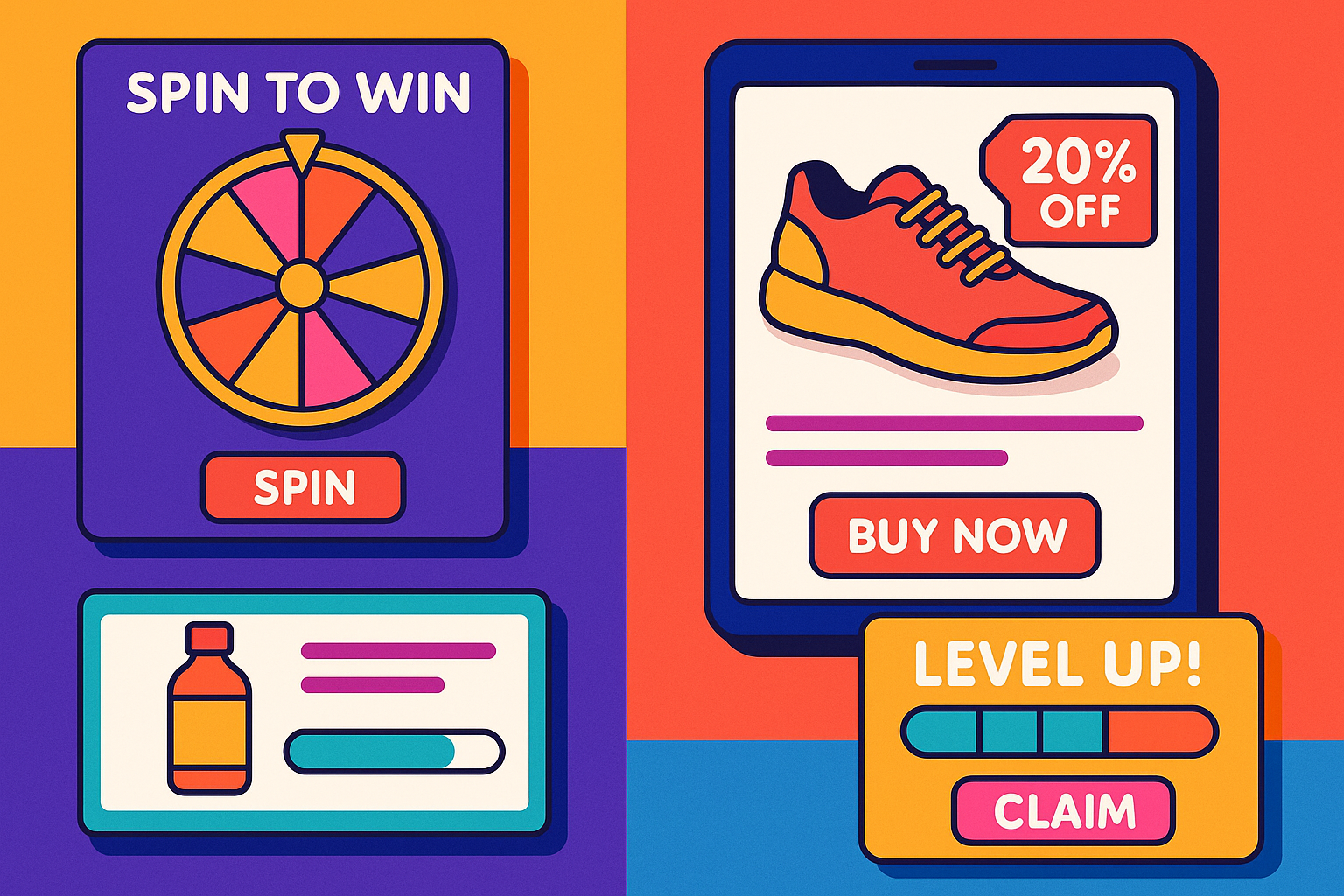
Gamification involves incorporating game mechanics into non-game contexts to motivate user participation and engagement. In e-commerce, this means transforming the shopping experience into an interactive journey that encourages customers to explore, interact, and return. By tapping into customers’ intrinsic desires for achievement, competition, and reward, gamification can significantly boost engagement and sales.
Effective Gamification Strategies for E-commerce Brands
1. Gamified Loyalty Programs
Traditional loyalty programs often fail to excite customers. By adding gamified elements like points, levels, and badges, you can make these programs more dynamic and compelling. For instance, Sephora’s Beauty Insider program challenges members to earn points through specific tasks and challenges, unlocking special rewards and exclusive events. This approach has significantly increased customer interaction, loyalty, and sales.
2. Interactive Quizzes and Personalized Recommendations
Interactive quizzes are a fun way to engage customers while gathering valuable data. By understanding customer preferences, you can deliver personalized product recommendations that resonate. For example, M&M’s offers a customization feature where customers can design their own chocolates, turning a simple purchase into a creative and engaging activity.
3. Time-Limited Contests and Challenges
Contests and challenges with time constraints create a sense of urgency and excitement, driving immediate action and participation. For instance, Clarins launched a roulette-style game called the Beauty Wheel, where users could spin to win discounts on their favorite products. This gamified approach led to a significant boost in customer lifetime value, retention, and return on ad spend for new users.
4. Spin-to-Win Wheels and Instant Rewards
Gamified elements like spin-to-win wheels add an element of surprise and fun, encouraging customers to interact with your brand. For example, William Painter’s Spin the Wheel popup offers first-time visitors a chance to win discounts ranging from 5% to 15%, making every visit to the site a potential win.
5. Progress Tracking and Achievement Badges
Visual tools like progress bars and badges provide customers with a clear sense of achievement, motivating them to continue engaging with your brand. For instance, Nike’s fitness app integrates gamification by allowing users to track activities, set challenges, and share milestones with their friends, fostering a sense of community and achievement.
Implementing Gamification: A Step-by-Step Guide
1. Define Your Objectives
Before integrating gamification, clearly define what you aim to achieve. Whether it’s increasing average order value, reducing cart abandonment, or boosting customer retention, having clear goals will guide your strategy.
2. Understand Your Audience
Tailor your gamification elements to your target audience’s preferences and behaviors. For example, younger customers might appreciate competitive leaderboards, while others might prefer reward-based systems.
3. Choose Appropriate Gamification Elements
Select game mechanics that align with your objectives and audience. Options include points systems, badges, leaderboards, challenges, and rewards.
4. Integrate Seamlessly into Your Website
Ensure that gamified elements are intuitive and enhance the user experience. They should feel like a natural part of the shopping journey, not an afterthought.
5. Monitor and Optimize
Regularly analyze the performance of your gamification strategies. Use analytics to track engagement metrics and make data-driven adjustments to optimize results.
Challenges and Considerations
While gamification offers numerous benefits, it’s essential to implement it thoughtfully. Overcomplicating the user experience or offering rewards that are too difficult to attain can lead to frustration. Additionally, ensure that gamified elements are accessible and inclusive, catering to a diverse customer base.
Conclusion
Integrating gamification into your e-commerce web design can transform the shopping experience, making it more engaging and rewarding for customers. By implementing strategies like gamified loyalty programs, interactive quizzes, and time-limited challenges, you can boost engagement, foster loyalty, and drive sales. Remember to define clear objectives, understand your audience, and monitor performance to ensure the success of your gamification efforts.
At Lines + Pixels, we specialize in creating engaging and effective web designs that incorporate gamification elements tailored to your brand’s needs. If you’re looking to enhance your e-commerce platform’s user experience and engagement, let’s chat: Lines + Pixels
References: