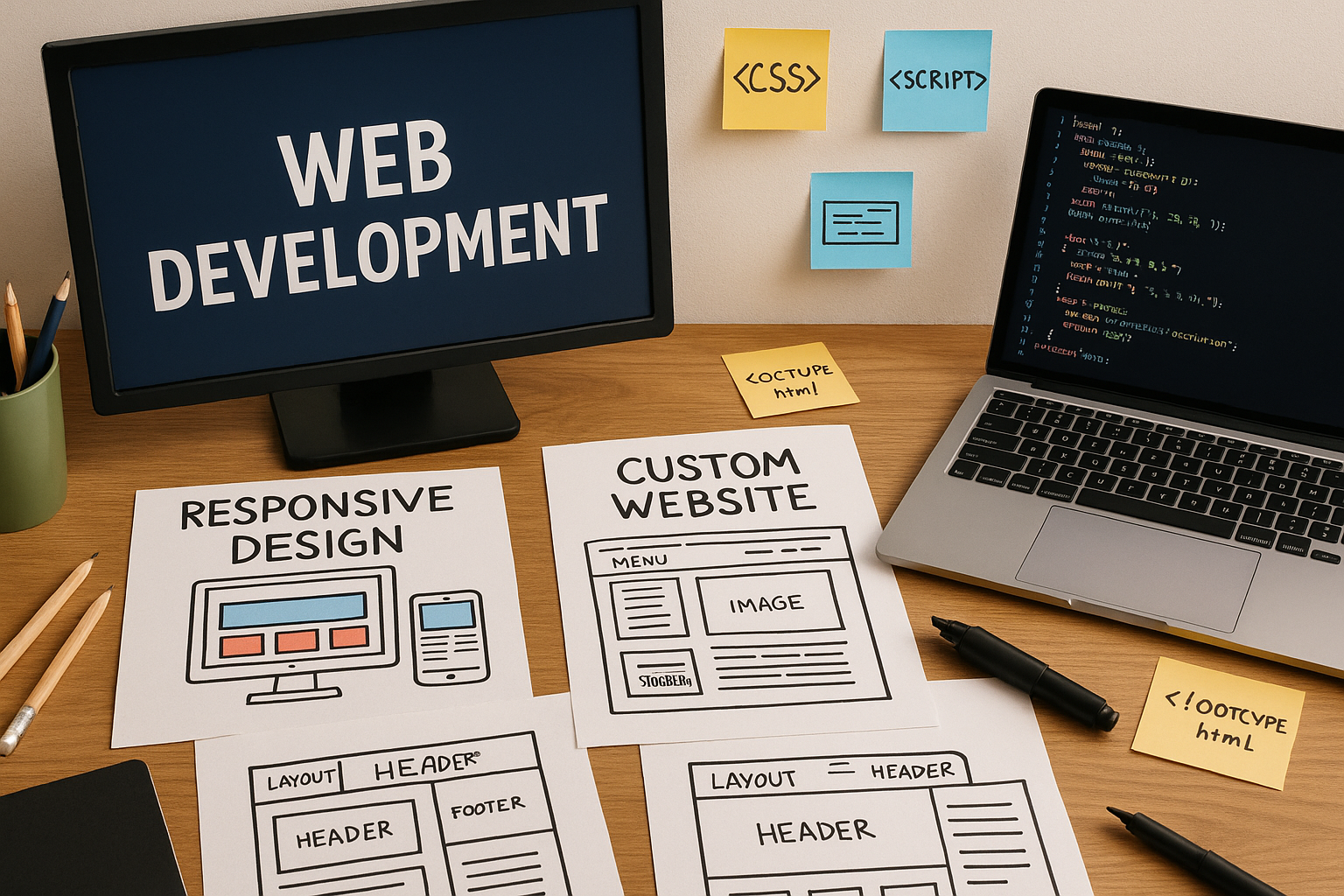
The Dilemma: Custom Design vs. Theme-Based Design
As a web development team, you’ve likely faced the age-old question: should we build a website from scratch with a custom design, or should we opt for a pre-built theme? It’s a decision that can make or break a project, and understanding the nuances is key to delivering the best results for your clients.
Understanding the Basics
Custom Design
A custom design involves creating a website tailored specifically to the client’s needs, brand identity, and functionality requirements. This approach offers complete control over every aspect of the site, from layout to features, ensuring a unique and personalized user experience.
Theme-Based Design
Theme-based design utilizes pre-built templates that can be customized to a certain extent. These themes are often ready to deploy, offering a quicker and more cost-effective solution, but they come with limitations in terms of uniqueness and flexibility.
Pros and Cons: A Developer’s Perspective
Custom Design
- Pros:
- Tailored Functionality: Build features that are precisely aligned with the client’s requirements, without unnecessary bloat.
- Unique Branding: Craft a distinctive look and feel that sets the client’s brand apart from competitors.
- Optimized Performance: Fine-tune the code for speed and efficiency, leading to faster load times and better user engagement.
- Cons:
- Higher Costs: More time and resources are required, which translates to increased development costs.
- Longer Development Time: The process of building from scratch can extend project timelines.
- Ongoing Maintenance: Custom sites may require more attention for updates and troubleshooting.
Theme-Based Design
- Pros:
- Cost-Effective: Lower initial investment compared to custom designs.
- Quick Deployment: Themes can be set up and launched rapidly, which is beneficial for clients with tight deadlines.
- Built-In Features: Many themes come with a variety of pre-integrated functionalities.
- Cons:
- Limited Customization: Themes may not fully align with the client’s unique brand identity or specific needs.
- Potential Bloat: Some themes include features that the client doesn’t need, which can slow down the site.
- Commonality: Using popular themes can result in a website that looks similar to others, reducing uniqueness.
Real-World Insights
In our experience at Lines + Pixels, we’ve encountered projects where a hybrid approach worked best. For instance, a client needed a unique design but also required certain functionalities that a theme could provide. By customizing a well-coded theme, we achieved a balance between uniqueness and efficiency.
Another project involved a startup with a limited budget and a tight timeline. Opting for a theme-based design allowed us to deliver a functional site quickly, with the plan to transition to a custom design as the business grew.
Tips for Web Development Teams
- Assess Client Needs: Understand the client’s goals, budget, and timeline to determine the best approach.
- Evaluate Theme Quality: If considering a theme, ensure it’s well-coded, regularly updated, and supported by a reputable developer.
- Plan for Scalability: Choose a solution that can grow with the client’s business, whether it’s a custom design or a flexible theme.
- Maintain Open Communication: Keep the client informed about the pros and cons of each option to make an informed decision together.
Conclusion
Deciding between custom and theme-based design is a pivotal choice in web development. By carefully considering the client’s needs, budget, and long-term goals, you can make an informed decision that leads to a successful project. Remember, there’s no one-size-fits-all answer, but with the right approach, you can deliver a website that truly stands out.
Got questions about navigating the custom vs. theme-based design decision? Let’s chat: Lines + Pixels (https://linesandpixels.team/contact/)